The Foundations of Craft Beer Ingredients
There are, in essence, a few very important key ingredients found within each craft beer that indeed define the final outcome of the beverage by way that they are selected and handled. The focus of craft brewing is on quality, source, and intent rather than mere efficiency. And although the ingredient list looks plain enough, each part is substantial in giving one special influence on its aroma, body, bitterness, and balance attributes.

Water as the Brewing Base
Water makes up most of beer’s volume, yet its role is often underestimated. Mineral content affects mouthfeel, hop expression, and how flavors interact during fermentation. Craft brewers frequently adjust water chemistry to suit specific styles, rather than relying on untreated municipal water.
By controlling mineral balance, brewers can soften bitterness, enhance malt sweetness, or sharpen hop character. This attention to water helps explain why the same recipe brewed in different locations can taste noticeably different.
Malt and the Structure of Flavor
Malted grains, usually barley, provide the sugars needed for fermentation as well as color and body. Craft brewers often use a wide range of malts, from lightly kilned base malts to roasted varieties that bring notes of coffee, chocolate, or toast.
The choice and proportion of malts shape the beer’s backbone. Unlike large-scale breweries that prioritize consistency above all else, craft producers may accept slight variation to explore richer or more expressive malt profiles.
Hops Beyond Bitterness
Hops contribute bitterness, aroma, and preservation, but in craft beer they often play a starring role. Many craft styles focus on hop character, showcasing floral, citrus, resinous, or tropical notes depending on the variety and timing of addition.
Small-batch brewing allows experimentation with new hop strains and techniques like dry hopping. This approach encourages diversity and constant evolution rather than reliance on a fixed hop schedule.
Yeast as a Flavor Contributor
Yeast converts sugars into alcohol and carbon dioxide, but it also produces esters and phenols that define many beer styles. Craft brewers choose yeast strains deliberately, sometimes maintaining their own cultures rather than using standardized commercial options.
These choices influence whether a beer tastes clean and neutral or expressive and fruity. In many craft traditions, yeast character is not something to minimize but something to showcase.
The Craft Beer Brewing Process
The brewing process might be put in a basic chronological order when described. Craft brewers appreciate the sequence for its implications rather than its practicality. Every step is flexible for more control, experimentation, or interpretation into the future. During the entire brewing process, speed counts less than peaceable deliberation.
This very structure is why craft beer production is frequently criticized for being less effectual than industrial brewing. Firstly, production speed is not a goal. Processes are ruggedly controlled.
Mashing and Sugar Extraction
Brewing begins with mashing, where crushed malt is mixed with hot water to activate enzymes. These enzymes convert starches into fermentable sugars, forming the liquid known as wort. Temperature and timing play a major role in determining body and sweetness.
Craft brewers may alter mash schedules to fine-tune mouthfeel or emphasize certain flavors. This hands-on approach contrasts with highly automated systems designed to minimize variation.
Boiling and Hop Additions
The wort is then boiled, sterilizing it and allowing hops to be added at different stages. Early additions contribute bitterness, while later ones enhance aroma and flavor. Some craft beers involve multiple hop additions to build layered complexity.
Boil length and hop timing are often adjusted based on style goals rather than standardized production efficiency. This flexibility supports creativity but requires careful monitoring.
Fermentation and Time
After boiling, the wort is cooled and transferred to fermentation vessels, where yeast is added. Fermentation can last days or weeks, depending on the style and conditions. Temperature control is critical during this phase.
Craft brewers may extend fermentation or conditioning to allow flavors to develop fully. This patience reflects a philosophy that values depth and balance over rapid turnaround.
Conditioning and Carbonation
Once fermentation ends, beer is conditioned to clarify and stabilize flavors. Some craft beers are naturally carbonated through bottle conditioning, while others use controlled carbonation in tanks.
This stage allows brewers to assess the beer and make final adjustments. It also highlights the importance of time, something that large-scale operations often seek to minimize.
Small-Batch Brewing and Experimental Freedom
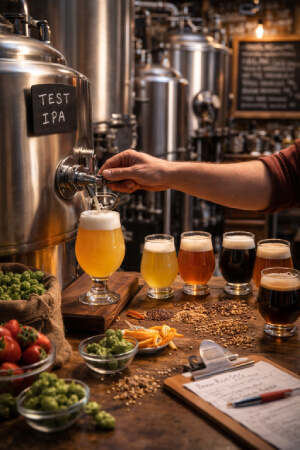
Small-batch production is central to craft brewing culture. It allows brewers to take risks, test new ideas, and respond directly to feedback. Rather than committing to massive volumes, craft brewers can pivot quickly.
This flexibility supports innovation and keeps offerings fresh. It also means that not every batch is meant to be repeated, reinforcing the idea of beer as a living, evolving product.
Recipe Development and Iteration
Craft brewers often treat recipes as starting points rather than fixed formulas. They may adjust ingredients, techniques, or fermentation parameters based on results and feedback.
This iterative process encourages learning and refinement. It also creates beers that reflect the brewer’s personal style and curiosity rather than a corporate standard.
Seasonal and Local Influences
Many craft breweries incorporate seasonal ingredients or adjust offerings throughout the year. Fresh hops, fruits, herbs, or spices may appear in limited releases tied to harvest cycles.
Using local inputs strengthens ties to place and reduces dependence on global supply chains. It also gives drinkers a sense of time and context that mass-produced beer rarely provides.
Accepting Variation
Unlike industrial brewing, which aims for near-perfect uniformity, craft brewing accepts minor variation between batches. These differences are often viewed as part of the beer’s character rather than flaws.
This mindset prioritizes authenticity and transparency. Drinkers are invited to engage with the beer as it is, not as an identical replica of the last batch.
Brewpubs and Community-Based Brewing
Unlike ordinary breweries, brewpubs are located in a special area within the craft beer setting. By including the attribute of serving on-site, a direct linkage between production and consumption is created in such an establishment. It is an immediacy of effect with connexity. The consumption takes place at the place where it is made; therefore, brewpubs are free to experiment, far removed from the problems posed by hyperdistribution or the need for shelf stability. It demands creativity and rapid response-lowering the hurdle for them out of thought.
Brewing for Immediate Enjoyment
Brewpub beers are often designed for freshness rather than long transport. Styles may be more delicate or experimental because they do not need extended shelf life.
This approach allows brewers to focus on balance and nuance, knowing the beer will be consumed close to its source.
Direct Feedback Loops
Serving beer on-site creates immediate feedback from customers. Brewers can observe reactions, gather opinions, and adjust recipes quickly.
This dialogue fosters a sense of collaboration between brewer and drinker. It also reinforces trust and transparency.
Local Identity and Culture
Brewpubs often reflect the culture and preferences of their surrounding community. From naming conventions to ingredient choices, the beer becomes part of a shared local identity.
This rootedness contrasts with global brands designed to appeal broadly. The result is beer that feels personal and place-specific.
How Craft Brewing Differs From Large-Scale Commercial Brewing
The distinction between craft and commercial brewing goes beyond size. It reflects different priorities, constraints, and definitions of success. While both produce beer, their approaches diverge in meaningful ways.
Understanding these differences helps explain why craft beer often commands higher prices and attracts more engaged audiences.
Scale and Efficiency
Large-scale breweries focus on efficiency, consistency, and volume. Systems are optimized to produce the same beer repeatedly with minimal variation.
Craft breweries operate at smaller scales, where manual oversight and flexibility are more feasible. Efficiency matters, but it does not override creativity.
Ingredient Choices
Commercial breweries may use adjuncts or alternative ingredients to reduce costs and maintain uniform flavor. Craft brewers tend to prioritize traditional or expressive ingredients, even if they increase expense.
These choices influence both flavor and perception, shaping how drinkers relate to the product.
Decision-Making and Autonomy
In craft brewing, decisions are often made by the brewers themselves rather than marketing or logistics departments. This autonomy supports experimentation and personal expression.
Commercial operations must consider broader distribution, branding, and shareholder expectations, which can limit flexibility.
Core Values of Craft Beer Philosophy
The values claimed for craft beer are intention, independence, and engagement. Craft beer stands cultural; it is the work of people, not a commodity.
They guide to how the beer is brewed, sold, and praised and shape love for the values of transparency and responsibility.
- Quality outweighing quantity
- Independent ownership and control
- Playful experimentation for the sake of creativity
- Full disclosure on ingredients and process
- Support and acknowledgement of local communities
They are more ideas than rules, and are interpreted differently by brewers, leading to a wide variety in its landscape.
Serving, Sharing, and Ongoing Evolution
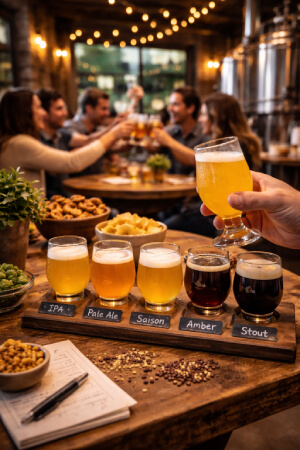
Craft beer does not end with brewing. How it is served and shared matters just as much as how it is made. Presentation, freshness, and context all influence the experience.
As tastes change and techniques evolve, craft brewing continues to adapt. This openness to change keeps the movement dynamic and relevant.
Freshness and Storage
Many craft beers are best enjoyed fresh, particularly hop-forward styles. Brewers and consumers alike pay close attention to storage conditions and timelines.
This focus reinforces the idea that beer is a perishable product, not something meant to sit indefinitely on a shelf.
Education and Curiosity
Craft beer culture encourages learning, whether through tasting, brewery visits, or conversation. Drinkers are invited to understand what they are consuming and why it tastes the way it does.
This educational aspect strengthens appreciation and deepens engagement beyond casual consumption.
Adapting Without Losing Identity
As craft brewing grows, it faces pressure to scale or standardize. Many brewers navigate this by expanding thoughtfully while preserving core values.
This balance between growth and identity remains one of the movement’s ongoing challenges.
Understanding Craft Beer Beyond the Glass
Craft beer brewing is more attitude than method. From the selection of ingredients to the choice of fermentation, every act expresses a choice for care, creativity, and connection. By embracing small batch production, experimentation, and community, the craft brewing industry propounds itself in opposition to industrial breweries. Understanding the philosophy behind brewing helps one account for how and why craft beer is being positioned in the broader culture of contemporary drinking habits.