Understanding the Brewpub Environment
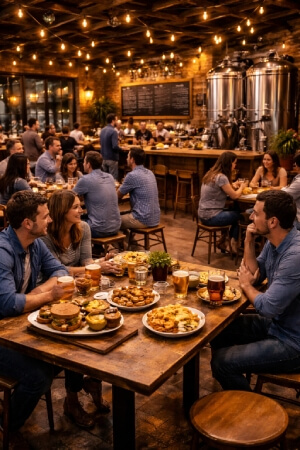
A brewpub is way more than just a beer-drinking spot. It counts for part production, part dining room, and part social hangout. The ambiance reflects this nexus: you may see brewing equipment visible through glass walls, chalkboards with descriptions of each beer, and big tables meant for sharing rather than quick turnover. Knowing what kind of place you are in certainly helps with forming some inherent expectations before you even look at the menu.
What Makes a Brewpub Different From a Bar
Unlike a standard bar, a brewpub serves beer that is brewed on-site or closely tied to the location. This means the beer list changes more often and reflects the brewer’s choices rather than distributor contracts. Seasonal releases, small experimental batches, and limited runs are common.
Food also plays a more central role. Brewpub menus are typically designed to pair with the beer, not just to fill a requirement for serving alcohol. This focus shapes both the pacing of a visit and how people interact with the space.
The Layout and Atmosphere
Many brewpubs feature open layouts with communal tables, visible tanks, and casual seating. This encourages longer visits and conversation, even among people who arrive separately. The environment is often lively without being rushed.
Noise levels can vary. Brewing equipment, music, and crowd chatter create a background hum that feels social rather than quiet. If you are expecting a traditional sit-down restaurant experience, this difference is worth noting.
Who Brewpubs Are Designed For
Brewpubs tend to attract a wide mix of visitors, from dedicated beer enthusiasts to people stopping by after work. Families, tourists, and locals often share the same space, especially during daytime hours.
This diversity influences how brewpubs operate. Menus, seating, and service styles are usually flexible, allowing guests to engage at their own pace and comfort level.
How Ordering Works at a Brewpub
The way you've been ordering so far might not be exactly the way at the brewpub. Some of them have you go sit at a table and provide table service, while many force you to order at the bar. Keeping an eye out for signs giving specifics on the method a beer garden uses helps one avoid any possible confusion.
Beer menus tend to be as detailed as they deserve to be, maybe a little more, unlike Cocktail or Wine lists. Each beer on a menu may bear a description of the brew, its alcohol percentage, and sometimes brewing notes in exquisite detail. It is normal for a customer to take some while to go through the menu.
Counter Service vs. Table Service
In counter-service brewpubs, you typically order drinks and food at the bar and either receive everything at once or get notified when food is ready. This model emphasizes flexibility and reduces formality.
Table-service brewpubs feel closer to casual restaurants. A server may guide you through the beer list, recommend pairings, and check in throughout your visit. Neither approach is better; they simply shape the rhythm of the experience differently.
Reading the Beer Menu
Beer menus usually organize offerings by style, such as lagers, ales, or darker beers. Descriptions often include flavor notes, bitterness levels, and alcohol percentages to help guests choose.
If the terminology feels overwhelming, that is normal. Asking for clarification is common, and staff expect questions. Brewpubs rely on communication to help guests find something they enjoy.
Asking for Samples
Many brewpubs allow small samples, especially if you are deciding between unfamiliar styles. Samples are usually small pours meant to guide your choice, not replace an order.
There is no need to feel awkward about asking, but it is polite to limit requests to a reasonable number. The goal is to make an informed decision, not to taste the entire menu.
Tasting Flights and Exploring Beer Styles
Tasting flights are one of the most popular features of brewpubs. A flight usually consists of several small pours served together, allowing you to sample different beers in one sitting. For newcomers, flights offer a low-pressure way to explore variety without committing to a full pint.
Flights also reflect how brewpubs encourage learning and exploration. They turn drinking into a guided experience rather than a single choice, which can be especially helpful when the beer list changes frequently.
What a Tasting Flight Includes
A standard flight includes three to five small glasses, often arranged in a specific order. The order may move from lighter to stronger beers to prevent bold flavors from overpowering subtler ones.
Some brewpubs design themed flights, such as seasonal selections or variations on a single style. These groupings highlight how small changes in ingredients or process affect flavor.
How to Approach a Flight as a Beginner
When tasting a flight, take small sips and notice differences rather than rushing through. Smell, texture, and aftertaste all contribute to the experience.
It helps to ask staff why the beers are arranged in a certain order. This context turns tasting into a learning moment and makes the experience more engaging.
Taking Notes or Just Enjoying
Some visitors like to take mental or written notes about what they enjoy. Others prefer a more casual approach, focusing on what tastes good in the moment.
Both approaches are valid. Brewpubs are not exams in beer knowledge; they are spaces to explore preferences without pressure.
Brewery Tours and Behind-the-Scenes Experiences

Many brewpubs offer brewery tours, either scheduled or informal. These tours provide insight into how beer is made and how the brewpub operates as a production space. Even a short walkthrough can add depth to your visit.
Tours vary widely in structure. Some are detailed and technical, while others are brief overviews aimed at general audiences. Checking availability ahead of time helps set expectations.
What You Will Typically See
Tours often include fermentation tanks, brewing kettles, and storage areas. Guides explain the steps of brewing, from grain selection to fermentation and packaging.
Safety rules are usually emphasized. Staying within designated areas and following instructions ensures both visitor safety and smooth operations.
Do You Need Brewing Knowledge?
No prior knowledge is required to enjoy a tour. Guides typically adjust explanations based on the group’s interest and familiarity.
Asking questions is encouraged, but it is also fine to simply listen. Tours are designed to inform without overwhelming.
How Tours Fit Into the Brewpub Visit
Tours often complement tastings rather than replace them. Seeing the brewing process can change how you perceive flavors and styles when you return to the table.
For some visitors, tours become a reason to revisit the same brewpub, especially when new beers or equipment are introduced.
Taproom Etiquette and Social Norms
Brewpubs are casual, but they still have norms that help the space function smoothly. Understanding basic etiquette makes the visit more comfortable for both guests and staff.
These norms are usually informal and forgiving. Observing how others behave is often enough to pick up on expectations.
Sharing Tables and Space
Communal seating is common, especially during busy periods. Sharing a table does not usually imply social obligation, just efficient use of space.
If you need more privacy, quieter corners or off-peak hours may be better options. Asking staff about seating preferences is acceptable.
Managing Time and Pace
Brewpubs encourage relaxed visits, but it is considerate to be aware of peak times. Holding a table long after finishing can limit access for others during busy hours.
During slower periods, lingering is generally welcomed. The balance depends on the crowd and time of day.
Respecting Staff and the Brewing Space
Staff often juggle brewing, serving, and explaining beers. Patience during busy moments goes a long way.
Production areas are working spaces, not attractions. Staying within allowed areas and following guidance shows respect for the brewing process.
Food, Pairing, and Practical Tips
Food is part of the brewery experience. Menus are aimed more at complementing the beer than letting the food stand alone. Understanding this relationship allows you to make the best choices and savor both elements more fully.
This chapter brings out practical considerations that need to be settled so that first-timers can begin to feel comfortable and ready to enjoy themselves.
- Menus might showcase dishes meant to pair well with specific beers.
- Bites may be catered to share rather than for individual consumption.
- Dietary options are becoming common but are unique to each venue.
- Standing room only means some orders might be limited and service might be slow anyway.
Food and beer pairing does not require an academic degree. A simple question to the attendant usually yields good suggestions, and menus increasingly include brief notes on pairings. Balance is the key criterion to follow, not rigid rules.
Planning might also be handy. Checking details for when hours of operation, tours, and reservations make or break avoid surprises and let you focus on the experience.
Visiting Comfortably as a Newcomer

For people new to brewpubs or craft beer, confidence often comes from knowing there is no single right way to participate. Brewpubs are designed to meet guests where they are, whether that means deep curiosity or casual enjoyment.
Taking things at your own pace, asking questions when needed, and staying open to trying something new usually leads to a positive experience.
Letting Curiosity Lead
Exploration is part of the appeal. Trying a new style or asking about an unfamiliar ingredient can broaden your preferences over time.
There is no expectation to like everything. Discovering what you do not enjoy is just as useful as finding favorites.
Drinking Responsibly
Flights and higher-alcohol beers can add up quickly. Paying attention to serving sizes and pacing helps keep the visit enjoyable.
Water, food, and breaks between beers are normal and encouraged practices.
Leaving With a Better Sense of Your Taste
Even one visit can clarify what styles or flavors you prefer. This awareness makes future visits easier and more satisfying.
Over time, brewpubs often become familiar spaces rather than intimidating ones.
A Place to Learn, Taste, and Relax
What makes going to the pub so great? The amalgamation of craft, food, and community into a single space. When people understand the basic working model of the pub, what to expect when beginning to navigate a menu, or how to become more accustomed through a single visit, at least some of the stress of their first visit is relieved. This convenience-pop loads tons of information with curiosity and astuteness. It provides drinks, sure, but not as many as the thread of knowledge that ties these drinks to social life keeps churning-the drinks only help the greedy, impatient one keep the sound of beer running in their ears.