Why Some Beers Tame Heat and Others Make It Worse
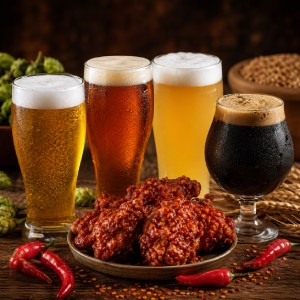
Capsaicin, the compound responsible for that burning sensation in chili peppers, binds to pain receptors in your mouth. It's oil-soluble, which means water won't wash it away. What you drink alongside spicy food genuinely changes how intense that burn feels.
Highly hopped beers are the worst offenders. The bitterness from hops – measured in IBUs on most brewpub menus – activates the same pain receptors that capsaicin already has firing. Order a 70-IBU West Coast IPA with a plate of Nashville hot chicken and you're essentially doubling down on the burn. Some people enjoy that. Most don't.
Residual sugars deliver a good deal of softness. As a result, a maltier beer style, like wheat beer, amber ale, or milk stout, will set a natural sweetness against the heat of the capsaicin while engulfing the palate. A lower alcohol level has been recognized as well, since spirits and extremely high-alcohol-content beers, for instance, promote capsaicin's absorption across the mucous membranes and also may make whatever hotness is present far more prevalent.
Which Beer Styles Work Best With Spicy Brewpub Dishes
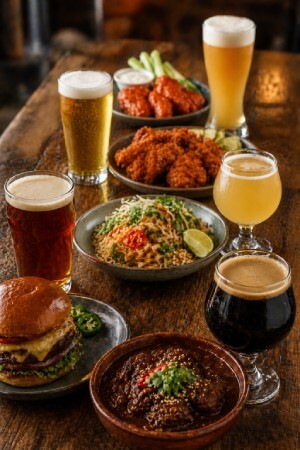
Wheat beers are the most forgiving pairing on any brewpub menu. Their low bitterness, soft carbonation, and faint citrus character cool capsaicin without fighting it. Buffalo wings or chili-lime tacos land beautifully against a hefeweizen – the banana and clove notes from the yeast actually complement the vinegar-forward heat in wing sauce.
Crisp lagers do similar work with a different personality. A helles or Czech pilsner alongside spicy fried chicken is almost a no-brainer. The clean malt backbone absorbs heat, and the light bitterness refreshes the palate between bites without amplifying the burn.
Amber ale is underrated here. Chipotle burgers, smoked chili, anything with earthy, slow-building heat – the caramel malt in an amber rounds those flavors out rather than clashing with them.
Unbelievably, off-dry sours and fruit-heavy Berliner Weisses make for quite excellent mates for Thai-inspired food. Their sour strong points echo lime and lemongrass, with only the occasional smack of residual sugar to sweetly caress us through the heat of chilies.
IPAs are trickier in this role. The higher alcohol and long-lasting hopbite may make things worse, in reference to rather than calming the capsaicin. Having written that, mild jalapeño heat with a session IPA is a fair exception. Imperial stouts lend themselves more to mole, rich and chocolatey than anything sharp and brilliantly fresh.
Great Pairings Reward Balance, Not Bravado
Ordering the spiciest dish on the menu and washing it down with a big bitter hop bomb is not really a pairing – more like a dare. While the most successful pairs between brews and spicy food directly suggest an endorsement to work completely in favor of each other. 'Cooling rather than biting' or 'cleansing rather than smothering to start anew' or 'complementing' being in perfect harmony-form the theory. A wheat beer calms a fire down with capsaicin as compared to a slightly sweet lager pairing with smoky heat. Pick beers that allow the spices to shine through, rather than imposing extreme conquest over one another, and you'll end up with better food, better beer, and definitely a much better time eating the meal.